Solar installation is a significant project, and the right system for one property isn't necessarily the right one for another. Understanding the basic considerations — and the questions to ask a professional — helps you approach the conversation with confidence and get a system suited to your property and energy use.
Understand the purpose of a solar installation
Start with what you want solar to do for you. Some property owners want to reduce their reliance on grid power; others are planning for solar from the start of a build or remodel. Your goal helps shape the system size and design. It's worth noting that energy outcomes depend on several property and system factors, so it's best to discuss your specific situation with a professional rather than assume a particular result.
Consider your property layout and site-specific conditions
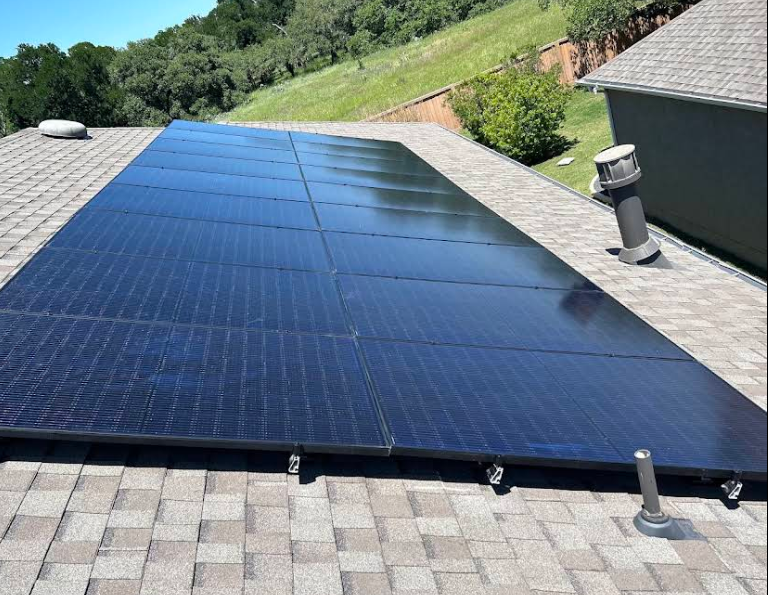
A solar system's performance depends heavily on the property itself. Roof orientation, shading from trees or nearby buildings, the age and condition of the roof, and available roof space all affect how much energy a system can produce. A roof with good southern exposure and minimal shading is generally well-suited to solar, while a heavily shaded or older roof may need attention first.
Site factors to note
- Which direction your main roof faces and how much sun it gets
- Any shading from trees, chimneys, or neighboring buildings
- The age and condition of your roof
- Available roof area for panels
- Where your electrical panel is located
Prepare questions about project scope and installation requirements
- How would a system be sized for my property and energy use?
- Is my roof suitable for solar, or does it need work first?
- What does the installation involve — panels, inverter, and electrical connection?
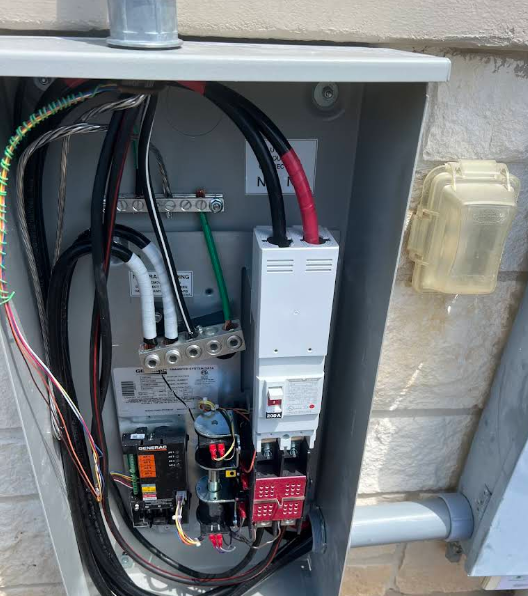
- How will the system connect to my existing electrical panel?
- What will be included in the written quote?
Understand that energy outcomes depend on several factors
It's important to set realistic expectations. A solar system's energy production depends on roof orientation, shading, system size, local weather, and your own energy usage patterns. No two properties will see identical results, which is why a project-specific assessment matters. Rather than promising a particular savings figure, a professional can assess your property and explain what a system could be expected to do in your specific situation.
Ask about equipment, maintenance, and service options
Solar installation isn't a one-and-done decision — the system will need ongoing attention to keep performing. Ask about the equipment that would be used, how the system is monitored, and what maintenance it needs over time. Knowing what service options are available after installation helps you plan for the long term.
1904 Electric & Solar offers both solar installation and solar service as two of our five core services. Because we're an electrical contractor first, the inverter and electrical connection are handled by a Master Electrician — electric and solar work under one roof. The business is fully bonded and insured.
Prepare useful information before requesting service
When you reach out, it helps to share: your goal for going solar, your property type, notes about your roof (orientation, shading, age), and your city or area. 1904 Electric & Solar serves Round Rock, Austin, Cedar Park, San Marcos, Temple, and New Braunfels in Texas, and El Paso, Santa Teresa, and Sunland Park in the border region — areas with strong sun exposure that are well-suited to solar. Individual service availability in each area can be confirmed when you contact us.
Why project-specific assessment matters
Because every property is different, a solar system should be designed around your specific roof, energy use, and goals — not picked off a shelf. A site assessment is the reliable way to determine the right system size and design for your property, and it's the right starting point before any installation work begins.
Ready to discuss your project?
Tell us what you need and we'll assess it and provide a written quote. We're available 24 hours for urgent electrical issues.