A standby or backup generator can keep your home or business running when the power goes out — but the right generator for one property isn't necessarily the right one for another. Thinking through a few considerations before you request an installation helps you have a useful conversation with a professional and get a system that fits your needs.
Understand the intended purpose of a generator
Start by asking what you want the generator to do. Are you trying to keep essential loads running during short outages — refrigeration, lighting, a well pump, or medical equipment — or do you want to power an entire property for extended outages? The purpose shapes the size of the unit, the type of transfer switch, and how the system is wired into your electrical setup.
Identify the equipment or areas you want to support
Make a list of what you'd want powered during an outage. Common essentials include refrigerators and freezers, heating and cooling equipment, lighting, well or sump pumps, and any medical devices. If you run a business from the property, add the equipment you'd need to keep operating. This list is the starting point for sizing a generator appropriately.
Examples of what people often prioritize
- Refrigeration and freezer circuits
- HVAC or essential heating equipment
- Lighting in key living or working areas
- Well pumps, sump pumps, and water heaters
- Medical equipment that requires continuous power
- Business equipment needed to stay operational
Consider property-specific installation requirements
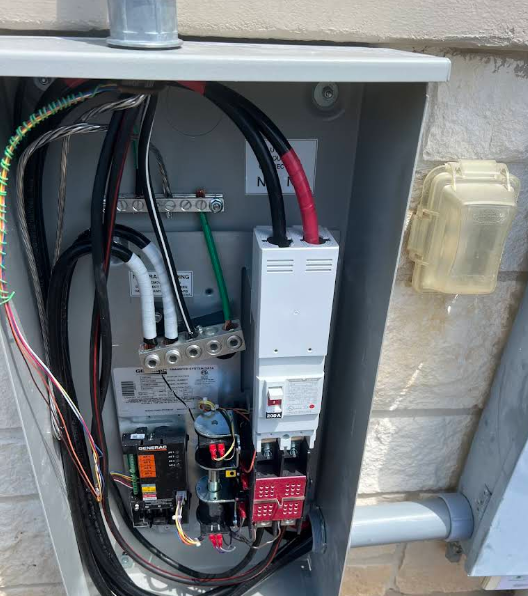
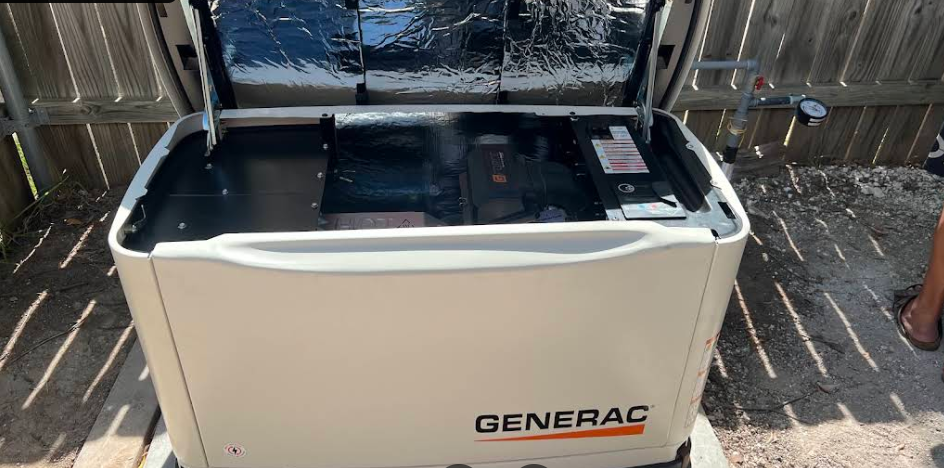
Generator installation isn't just about the unit — it also involves where it's placed, how it connects to your electrical panel, and the transfer switch that safely switches between grid and generator power. Placement needs to account for clearances, ventilation, and access for maintenance. Your existing panel and service capacity also factor in, because the generator has to connect safely to your electrical system.
Every property is different, which is why installation requirements vary. A site assessment is the reliable way to determine what's needed at your specific property.
Prepare questions for a generator installation professional
- What size generator would support the loads I want to power?
- Where on my property can the generator be safely placed?
- What kind of transfer switch does my setup need?
- How will the generator connect to my existing electrical panel?
- What will the written quote include?
Why installation requirements vary by property and equipment
Two homes with similar square footage can have very different generator needs depending on their electrical loads, panel configuration, fuel source availability, and where the unit can be placed. That's why a generator can't be chosen by square footage alone — the loads you want to support and your property's electrical setup both matter.
General safety considerations
Generators involve significant electrical and fuel considerations, and improper installation can create serious hazards including carbon monoxide exposure, backfeeding the grid (which endangers utility workers), and fire risk. For these reasons, generator installation — including the transfer switch and electrical connection — should be performed by a qualified professional rather than attempted as a DIY project.
At 1904 Electric & Solar, generator installation is one of our five core services. Because we're an electrical contractor first, the transfer switch and electrical connection to your panel are handled by a Master Electrician. The business is fully bonded and insured, and we're available 24 hours a day for urgent electrical issues.
What information to provide when requesting a consultation
When you reach out, it helps to share: the loads you want to power during an outage, your property type, your city or area, and any notes about your existing electrical panel. 1904 Electric & Solar serves Round Rock, Austin, Cedar Park, San Marcos, Temple, and New Braunfels in Texas, and El Paso, Santa Teresa, and Sunland Park in the border region. Individual service availability in each area can be confirmed when you contact us.
With that information, a site assessment can determine the right generator size and installation approach for your property.
Ready to discuss your project?
Tell us what you need and we'll assess it and provide a written quote. We're available 24 hours for urgent electrical issues.